
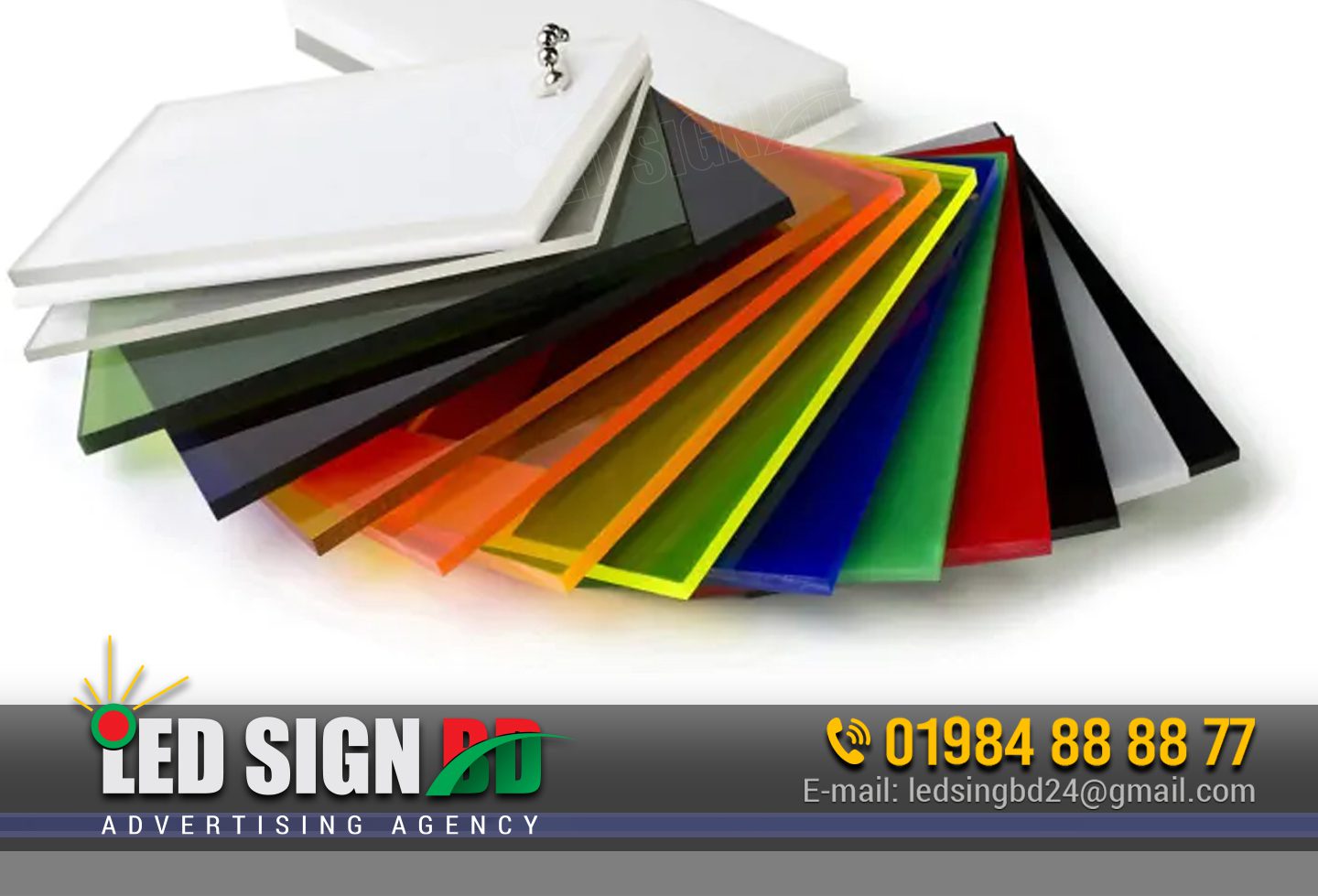
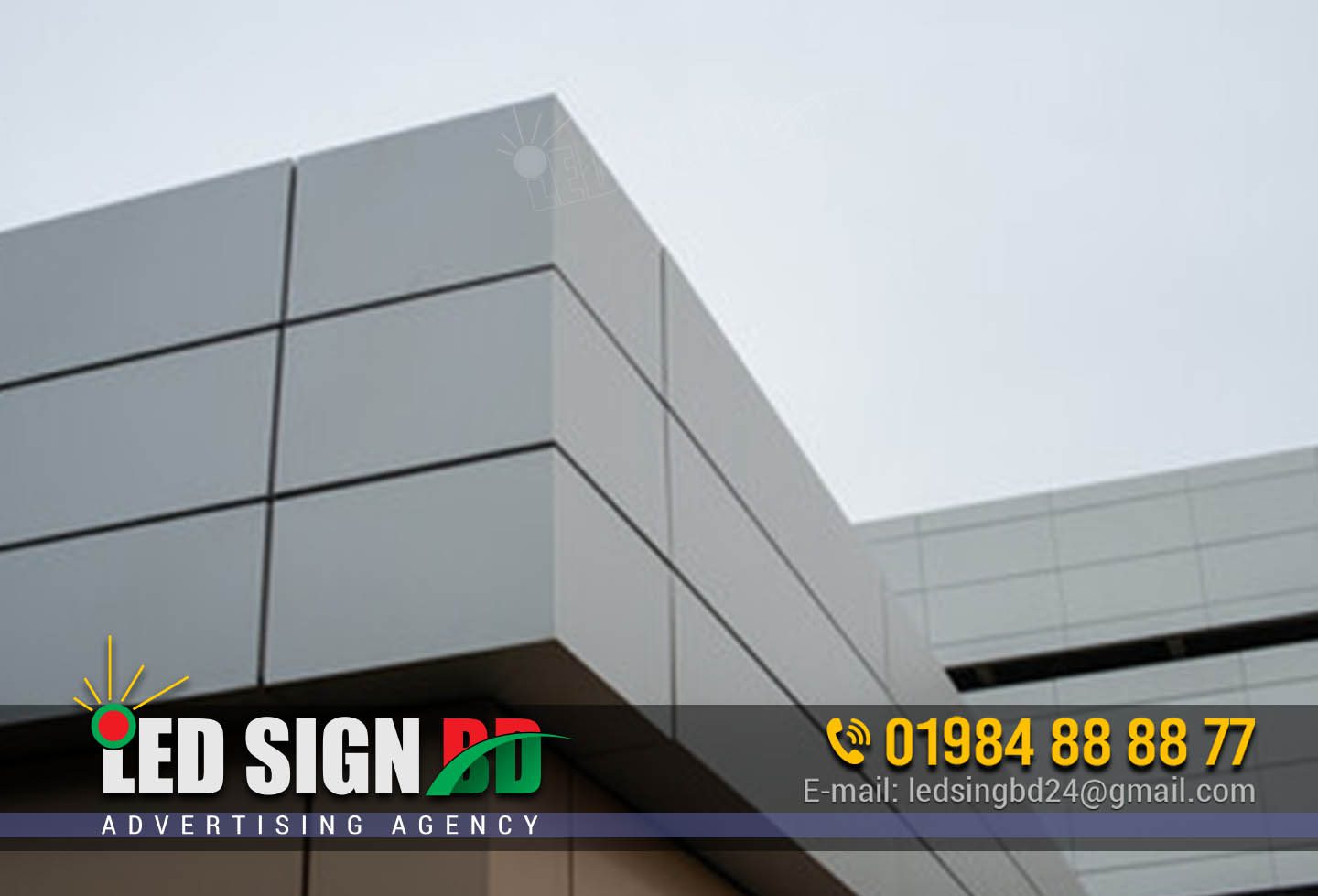
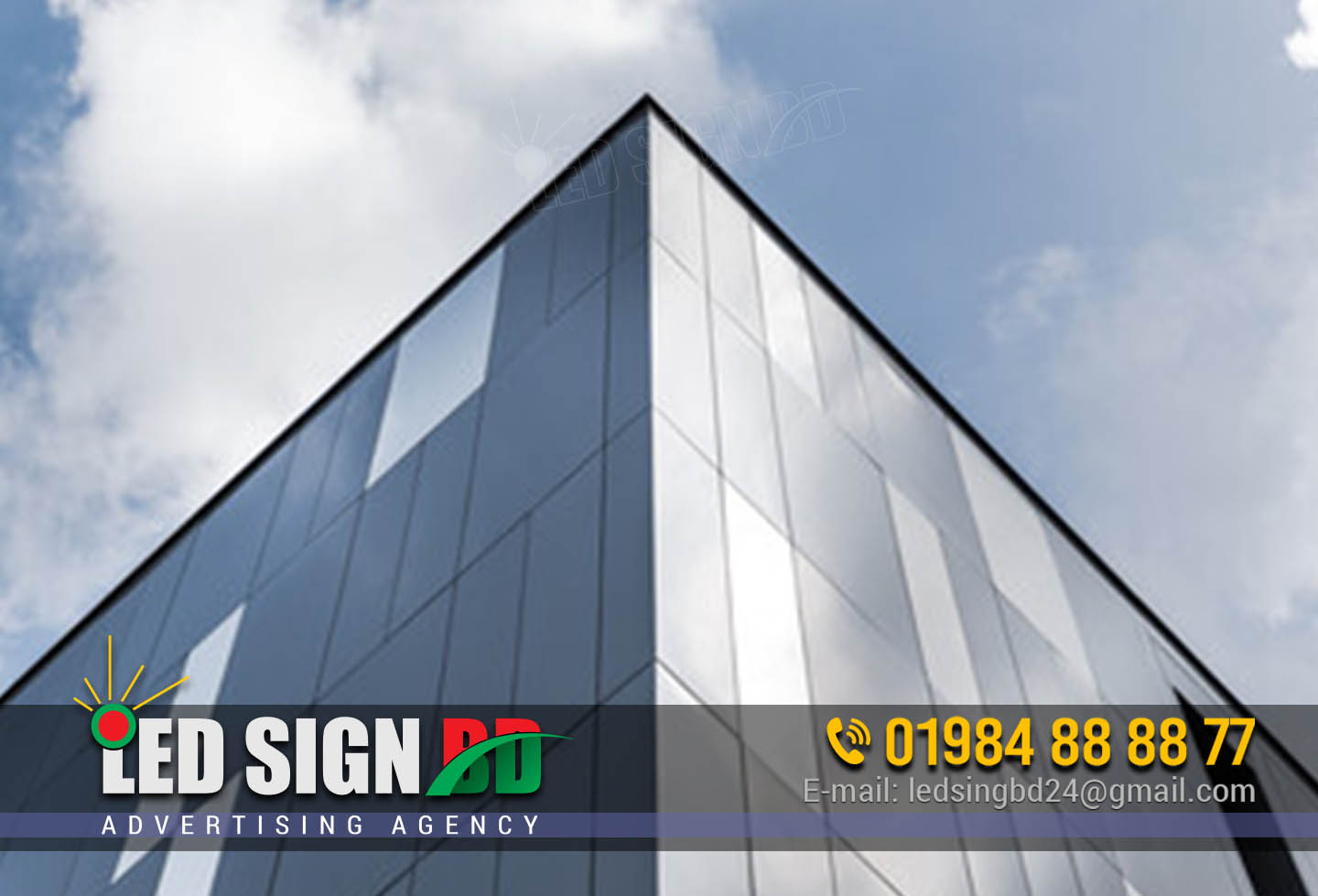
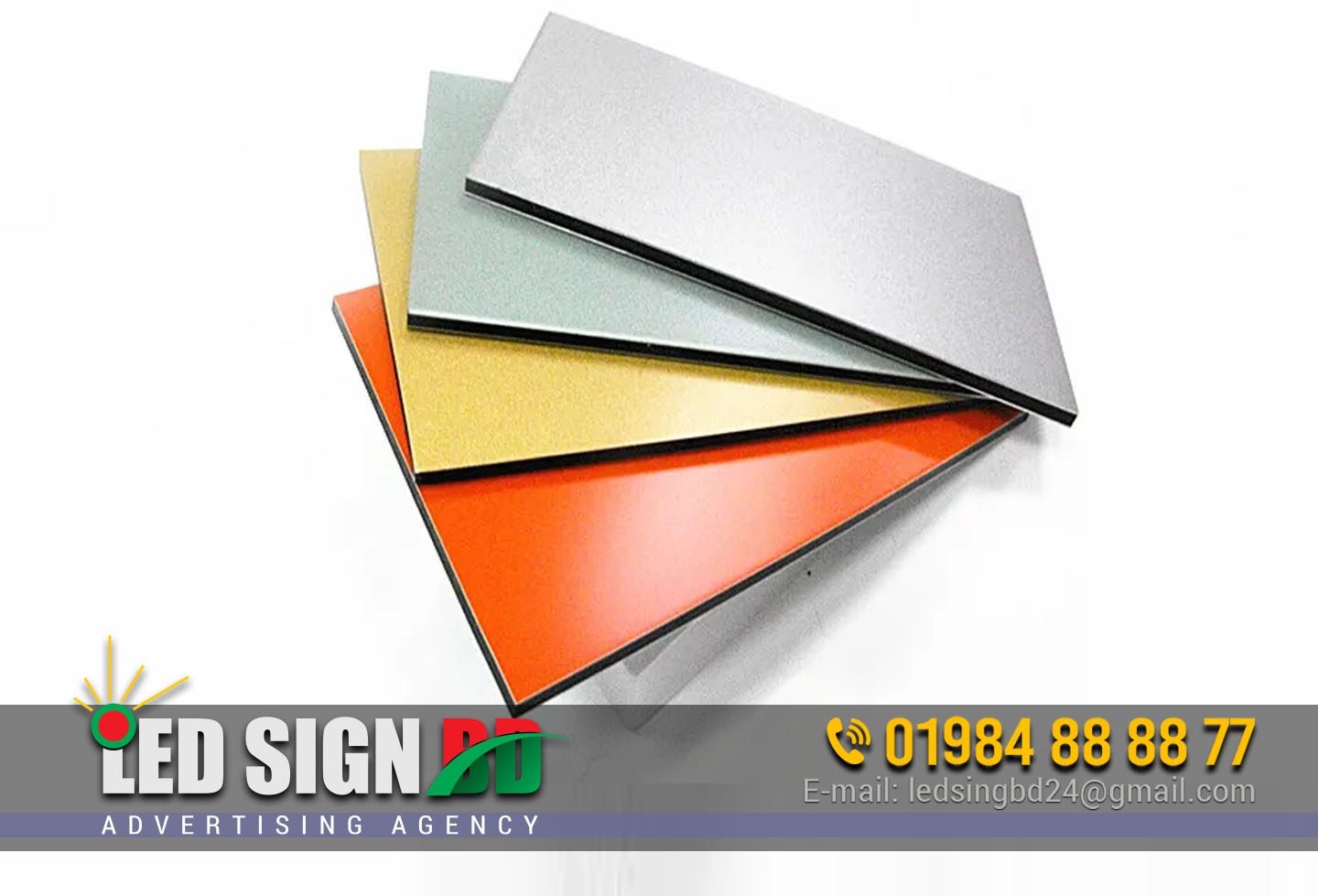
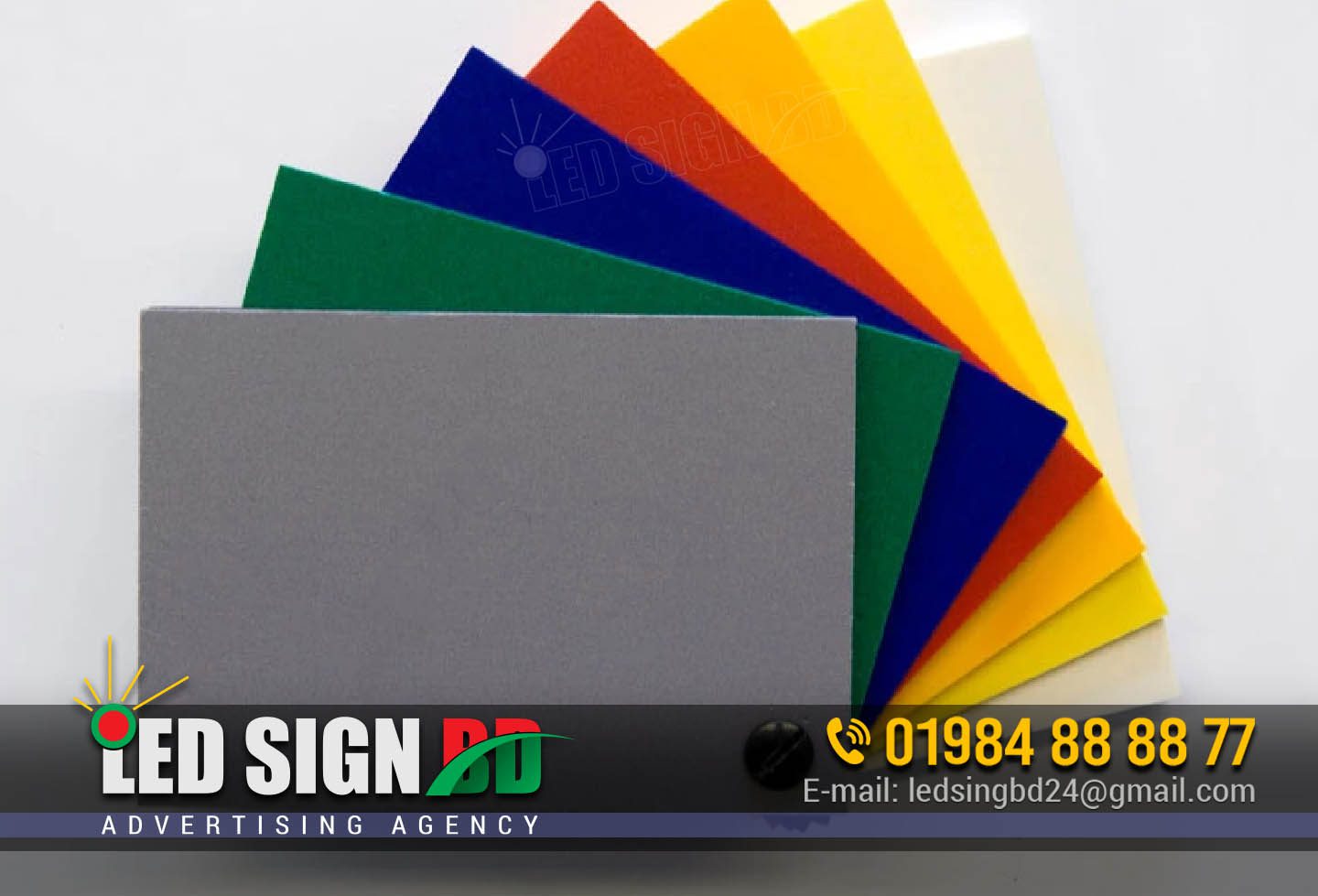
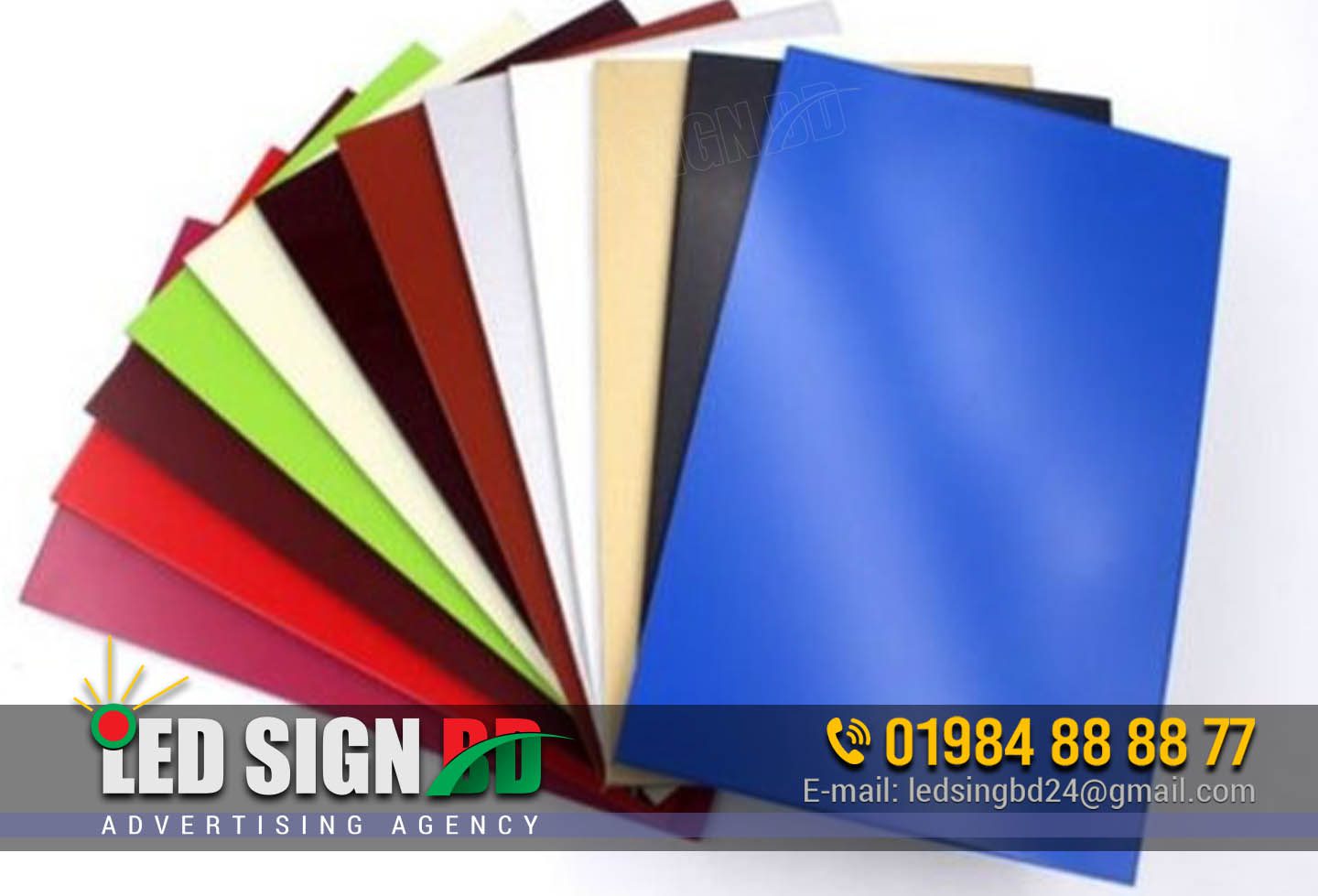
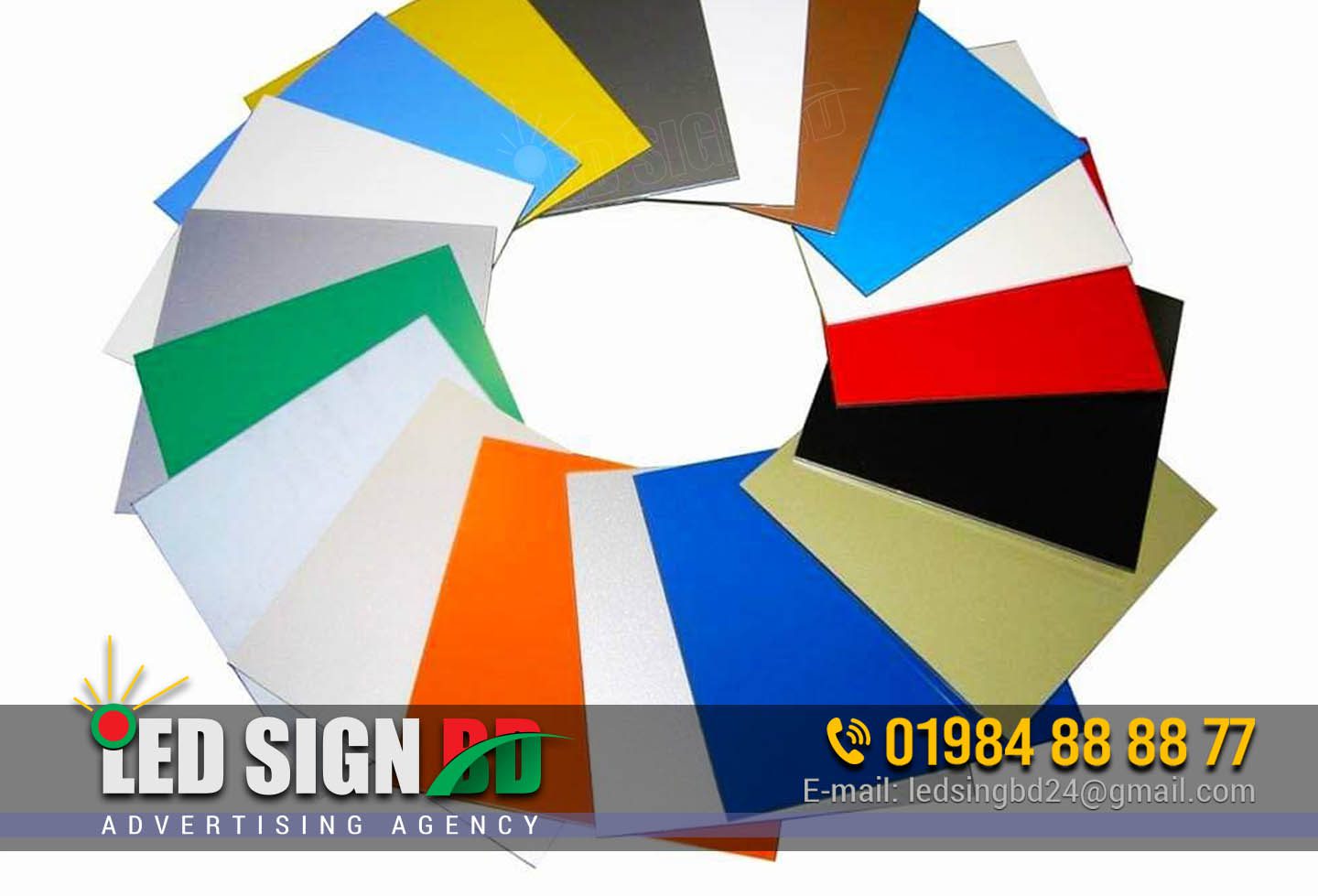
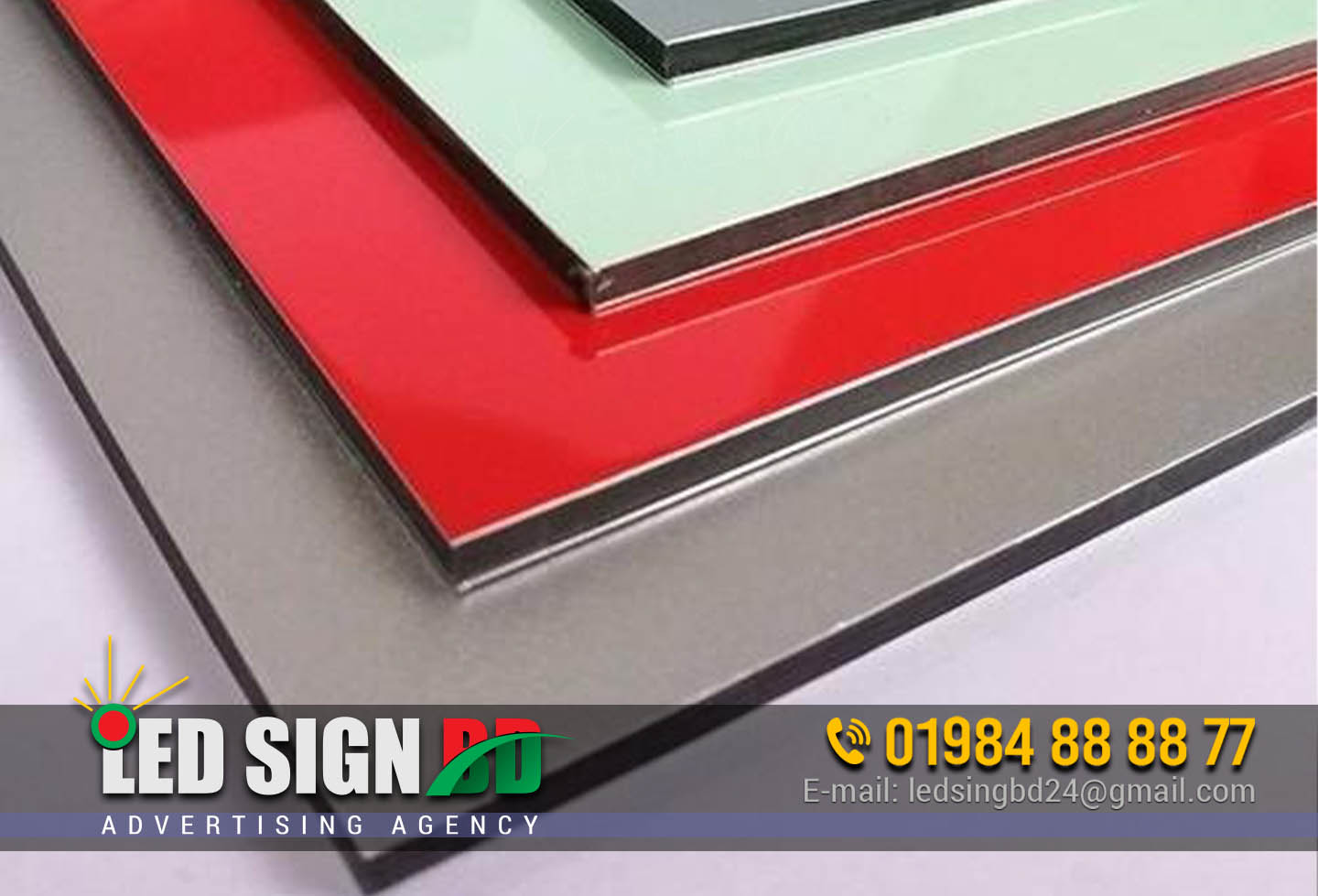
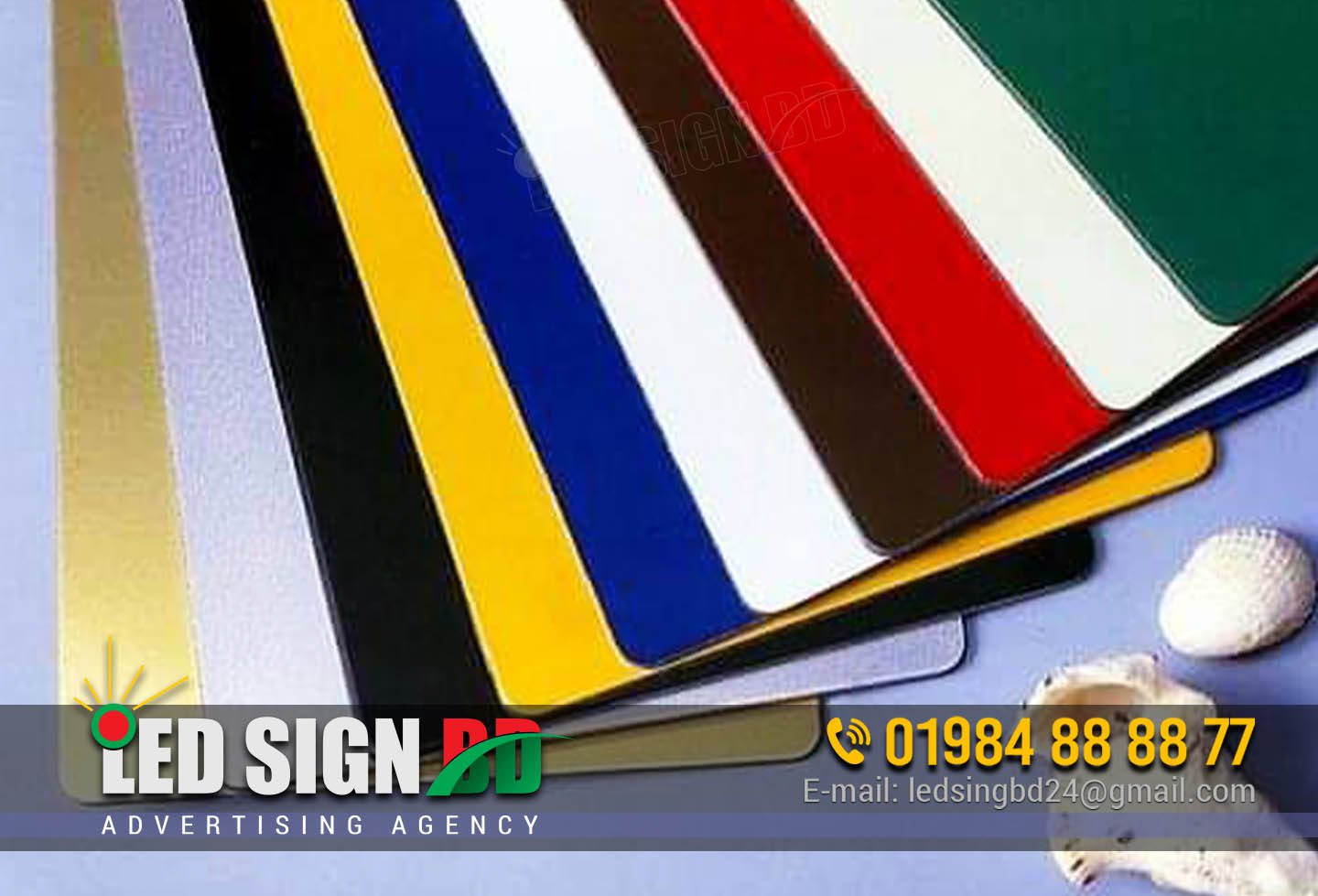
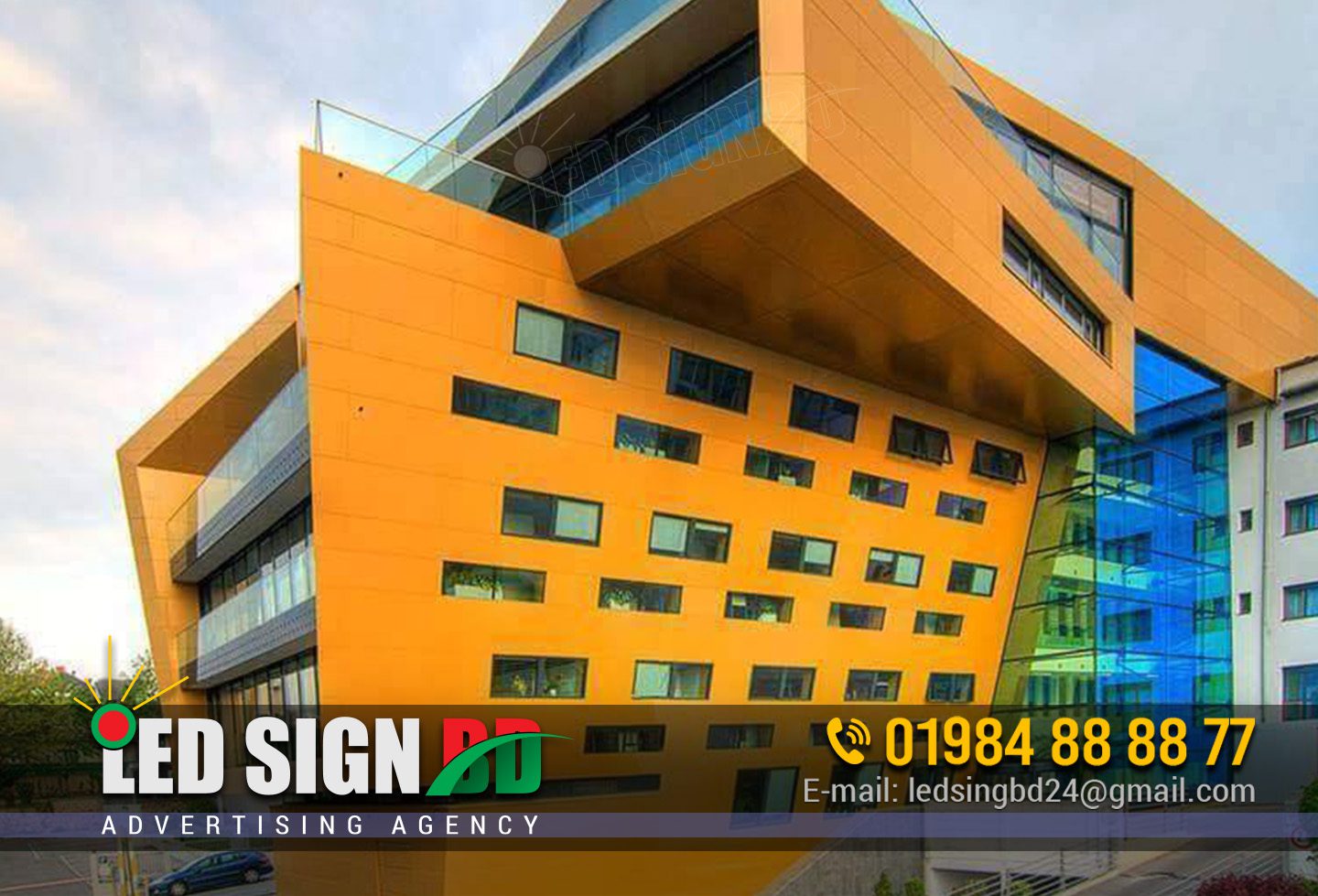
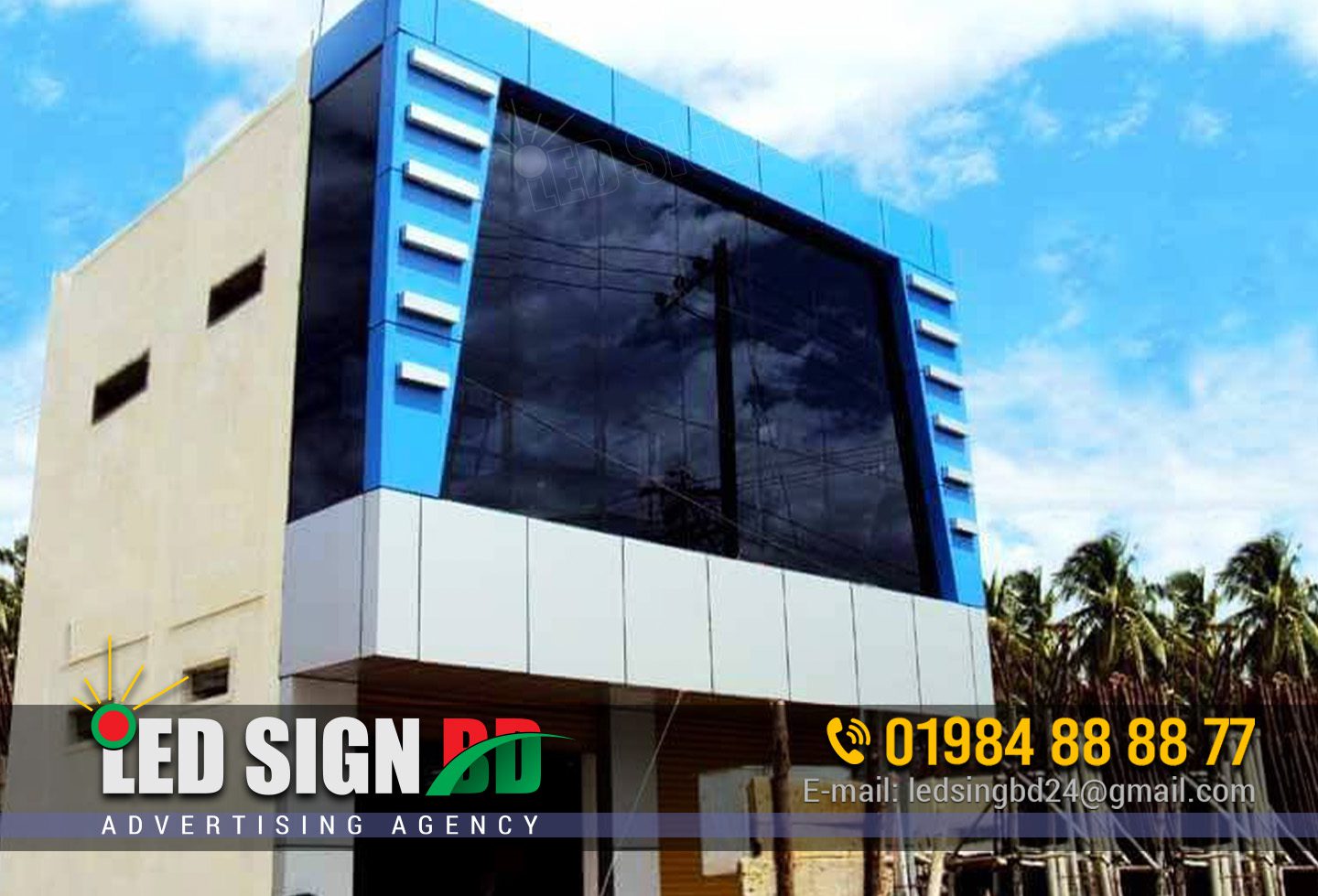
ACP (Aluminium Composite Panel) boards are in various types based on their application, surface finish, and specific properties. Given below are some common types of ACP boards and some well-known companies in Bangladesh that supply ACP boards. ACP Board Price in Dhaka, Bangladesh 2025. We are an ACP board manufacturer, exporter, and importer company in Dhaka, Bangladesh.
alucobond sheet price in bangladesh
| Board Type | Thickness | Price (BDT per sq. ft.) |
| Basic ACP Board | 3mm | 150 – 200 BDT |
| Standard ACP Board | 4mm | 200-300 BDT |
| Premium ACP Board (PVDF Coating) | 4mm | 300-450 BDT |
| High-Quality ACP Board (Fireproof) | 4mm – 6mm | 400 – 600+ BDT |
Types of ACP Boards
Standard ACP Boards
PVDF-coated ACP Boards
Fire-Resistant ACP Boards
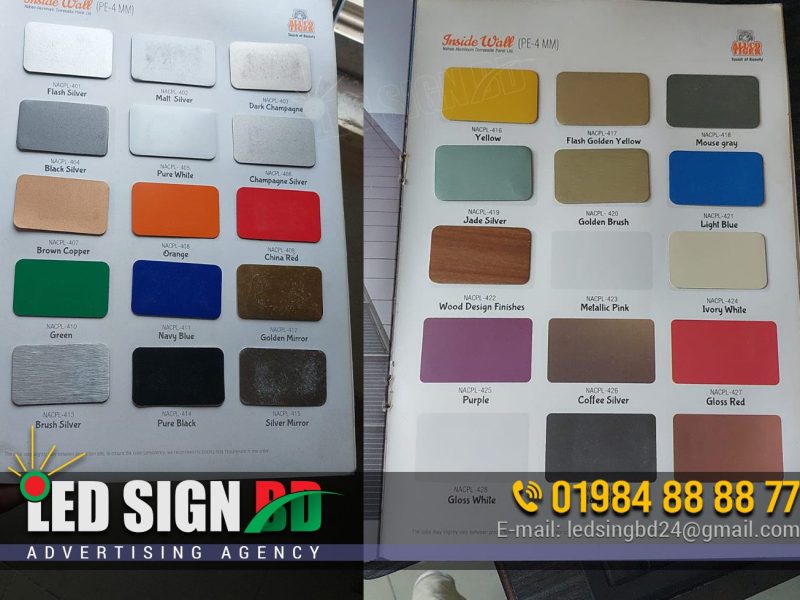
Mirror Finish ACP Boards
Wooden and Marble Finish ACP Boards
Anti-Bacterial ACP Boards
ACP Board Suppliers and Companies in Bangladesh
LED Sign BD Ltd
Website: www.ledsignbdltd.com
Specialty: Premium-quality ACP boards for exterior and interior cladding with a focus on durability and aesthetics.
Eurobond ACP
Website: www.eurobond.com.bd
Specialty: Offers various ACP boards, including fire-resistant and PVDF coated panels, ideal for building facades.
AluBond Bangladesh
Website: www.alubond.com.bd
Specialty: High-quality aluminium composite panels with a focus on architectural designs and construction needs.
AlcoMax Bangladesh
Website: www.alcomaxbd.com
Specialty: Supplier of ACP boards with various finishes, such as wooden, mirror, and marble designs.
Paragon Plast Fiber Ltd.
Location: Dhaka, Bangladesh
Specialty: provides a wide range of ACP boards for interior and exterior applications.
Aludecor ACP Panels
Website: www.aludecor.com
Specialty: known for its innovative designs, high-quality materials, and fire-resistant ACP boards.
Key Uses of ACP Boards:
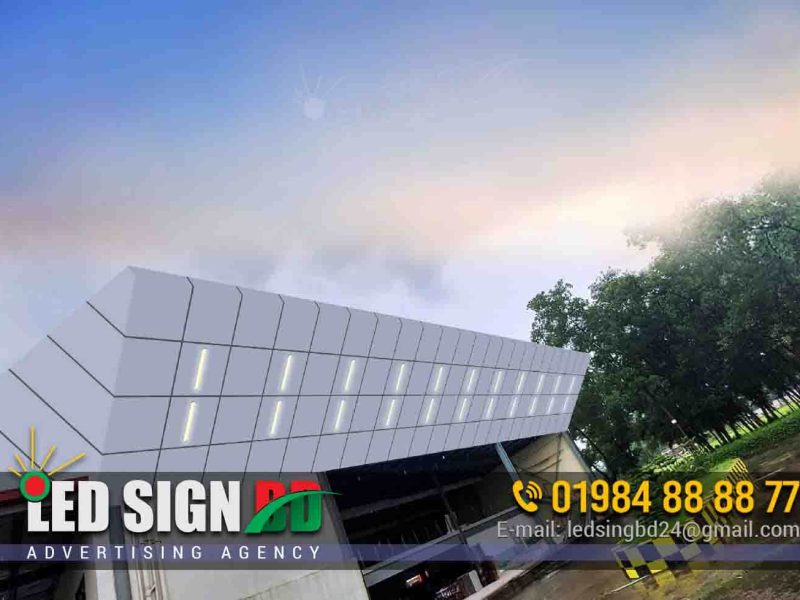
Building Facades and Cladding: Used to cover the exterior walls of buildings, providing both aesthetics and protection. ACP Board Price in Dhaka, Bangladesh.
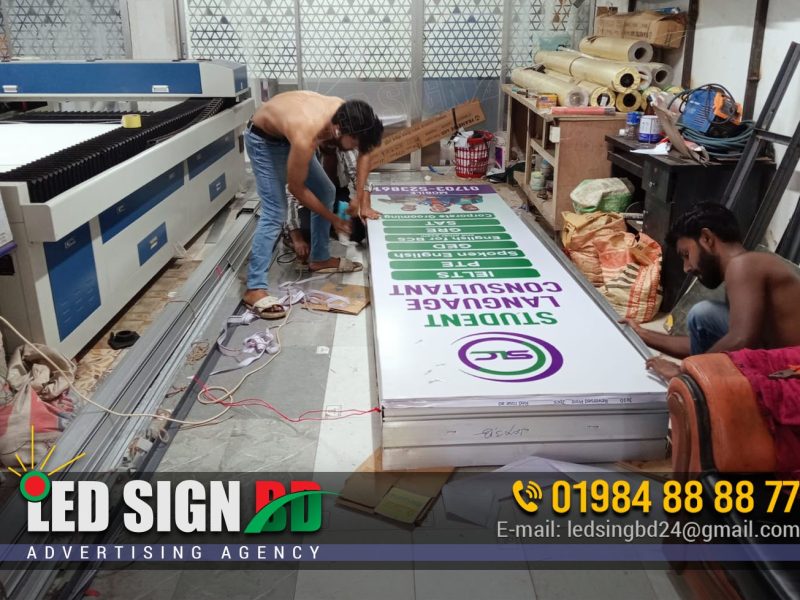
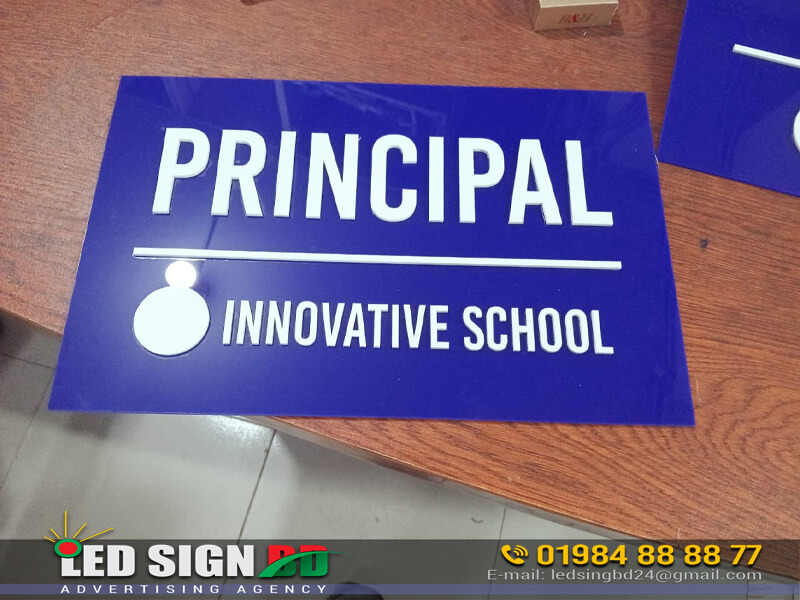
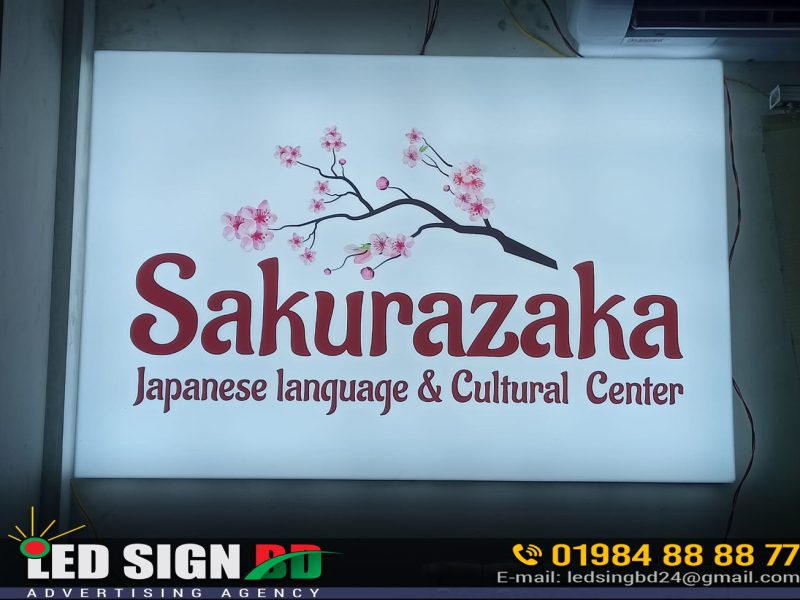
Signboards and Advertising Panels: Popular for creating durable and eye-catching signs.
Interior Decorations: ACP boards with mirror, wooden, or marble finishes are used for interior design and partitions.
Partitions and Ceilings: Widely used in office partitions and false ceilings.
ACP boards are highly versatile, durable, and lightweight, making them a popular choice for both commercial and residential projects in Bangladesh.


svetnasjki –
Thanks for the article. Here’s more on the topic https://orenbash.ru/
Mizanur Rahman –
I’m really impressed by how energy-efficient it is. My electric bill hasn’t gone up since I put it up!
Kaizer Rahman –
Excellent service from design to installation.