


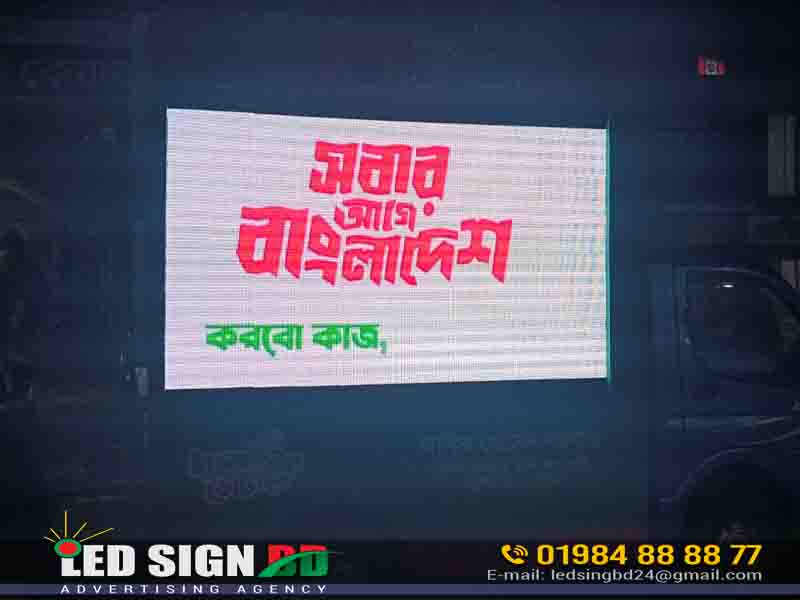
How to Install a Programmable LED Sign Board – Step-by-Step Guide
Installing a programmable LED display sign board (often used for shops, showrooms, restaurants, and offices) requires proper mounting, wiring, and software setup. Below is a simple step-by-step guide.
1. Choose the Right Location
- Select a visible place on the shop front, wall, or building facade.
- Ensure the wall is strong enough to hold the LED sign board frame.
- Keep the sign away from direct rainwater and high heat if it is not waterproof.
2. Prepare the Mounting Frame
Most programmable LED sign boards are installed on:
- Metal frame
- Aluminum frame
- Wall brackets
Steps
Mark the drilling points on the wall.
Drill holes using a hammer drill.
Insert wall plugs and anchor bolts.
Fix the mounting frame tightly.
3. Fix the LED Display Board
- Lift the LED panel carefully.
- Place it on the installed frame or bracket.
- Use screws or clamps to secure the sign board.
- Make sure the board is perfectly level and stable.
4. Electrical Connection
Connect the LED sign board to a 220V power supply (standard in Bangladesh).
Most boards have:
- Power supply unit (SMPS)
- Controller card
Steps:
- Connect AC input to the SMPS.
- Connect SMPS output to LED modules.
- Connect the controller card to the LED display.
Use a qualified electrician to avoid electrical hazards.
5. Connect the Programming System
Programmable LED boards can be controlled by:
Install software such as:
Steps:
- Install the software on your computer.
- Create your text, animation, or advertisement.
- Upload the content to the LED board via USB or WiFi.
6. Test the LED Sign Board
After installation:
- Turn on the power.
- Check if the text or animation displays correctly.
- Adjust brightness and scrolling speed if needed.
7. Weather Protection (For Outdoor Signs)
- Use a waterproof cabinet.
- Seal the edges with silicone.
- Ensure proper ventilation for heat control.
✅ Pro Tip:
For large outdoor LED displays or digital billboards, professional installation is recommended because they require control cards, LED modules, cabinets, and proper wiring design.

